Garden Clearance in Colindale

Garden clearance in Colindale should leave outdoor spaces ready for practical use, whether that means clearing an overgrown plot, removing cuttings after a seasonal tidy, or taking away a build-up of mixed garden waste. Our service focuses on the physical removal of materials from the garden area, with careful sorting where items can be separated for recycling or disposal. It is a straightforward way to regain usable space without having to organise multiple trips to a tip or manage awkward bulky waste by yourself.
We handle clearance work for front gardens, back gardens, side return spaces and communal outdoor areas, with attention to access, handling and responsible loading. Common materials include branches, hedge trimmings, soil-filled planters, broken outdoor furniture and general green waste. Where suitable, we also manage mixed garden rubbish that has accumulated alongside planting debris. If you are comparing options, the most useful quotation will usually reflect the actual volume and type of waste, plus how easy it is to reach the items.
A clear enquiry helps us scope the work properly. If possible, note what needs removing, whether the clearance is loose green waste or heavier mixed material, and if any items are awkward to move through narrow paths or steps. A short description is usually enough to start with. When you are ready, ask for a quotation in plain terms, and we can help you work out the most suitable approach for the job.
What a garden clearance service can remove
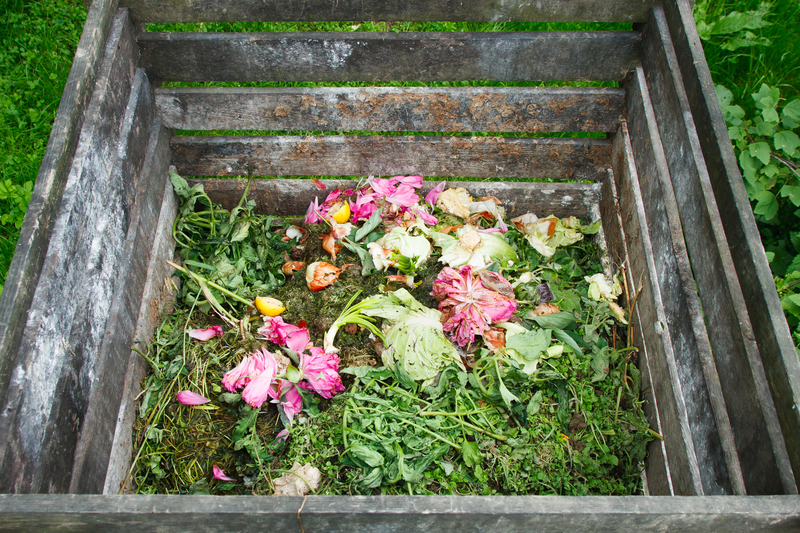
Garden clearance covers more than simple grass cuttings. It can include dense hedge waste, branches from pruning, plants that have died back, leaves gathered from borders, and bags of general outdoor waste left after maintenance. In some cases, there may also be old compost, potting soil, broken containers or disused fittings from sheds and patios. The aim is to remove what is no longer wanted and leave the outdoor area clear enough for the next stage of work.
When planning the clearance, it helps to separate what is purely green waste from what is mixed or bulky. Green waste is often easier to process in a tidy load, while mixed waste may need extra sorting because it can contain plastic, wood, metal or soil. If you have items such as cracked pots, damaged garden ornaments or small pieces of dismantled fencing, mention them early. That makes the quotation more accurate and helps avoid confusion on the day.
For customers who want to deal with a larger outdoor reset, our garden clearance work can sit alongside waste removal where the load includes more than standard garden cuttings. The important point is to match the disposal method to the actual materials present. A neat clearance is not just about lifting waste away; it is also about handling it in a way that makes sense for the type of debris involved.
Access, loading and site handling

Good garden clearance is often decided by access as much as volume. Narrow side passages, rear access through a house, uneven paving or a heavily planted route can all affect how quickly items are moved. For that reason, our approach is to work methodically, using the available space safely and keeping disruption to a sensible level. If the waste is spread across beds, borders, lawn edges or storage corners, we organise it so the clearance proceeds in a steady, controlled way.
Some customers want a section of garden cleared before landscaping or planting begins. In those cases, the job may involve removing old organic material as well as outdated fixtures or debris left behind after previous use. The clearer the access information, the easier it is to plan the labour needed. If there are locked gates, tight turns or steep steps, it is worth mentioning them with the first enquiry rather than waiting until collection day.
If you are also thinking about a broader outdoor tidy-up, our garden clearance page gives the main service overview, while this homepage focuses on helping you decide what needs removing and how the work can be organised. The best results usually come from a clear list of what is staying and what is going, especially where the garden contains a mixture of waste types and reusable fittings.
Green waste and mixed outdoor materials
Not every garden clearance is made up of the same kind of waste. Some jobs are almost entirely green, with cuttings, clippings, weeds and branches gathered after regular maintenance. Others are mixed, combining organic waste with outdoor storage clutter, cracked plant pots, garden edging offcuts, old hose reels or dismantled timber. Understanding the difference matters because the sort of material present can influence sorting time, handling and the disposal route used.
Where the load is mostly green waste, the task is usually more direct: gather, load and remove. Where there is a mixture, it is useful to group materials before removal where possible. For example, keep branches separate from compost bags, or metal plant supports separate from soft waste. This does not need to be elaborate; a little organisation can make the job easier to manage and can support a more accurate quotation. It also reduces the chance of important items being mistaken for rubbish.
For customers who have redundant outdoor items as well as cuttings, our furniture clearance service page may be relevant when garden seating, tables or other moveable items are part of the load. This kind of overlap is common in gardens that have become storage areas as well as growing spaces. The key is to describe the whole clearance honestly so the right resources can be arranged.
Bulky items, fixtures and garden extras

Garden clearances often include items that are not strictly green waste but still belong outside. Old benches, worn chairs, broken storage boxes, damaged plant stands and lightweight outdoor tables are common examples. These items can be awkward because they are bulky rather than heavy, and they may need careful lifting through narrow doors or along uneven ground. We approach them as part of the same practical clearance, with attention to safe handling and sensible loading order.
There are also cases where a garden contains leftover materials from previous improvement work. Small offcuts of timber, pieces of trellis, old pots, soil-stained coverings and dismantled edging can all be included if they are part of the unwanted outdoor clutter. When these items are described together with the green waste, it becomes easier to prepare a clear quotation. A useful rule is to think in terms of what will actually be leaving the property, not just what has been cut back or trimmed.
Where the clearance extends beyond a garden into an attached garage, you may also find our garage clearance page helpful because the same principles of sorting, access and loading often apply. If the project has both outdoor and storage-space elements, it is best to describe them together so the scale of work can be judged properly and no part of the job is overlooked.
Preparing a quotation for garden clearance
Quotation requests work best when they focus on practical details. Tell us the approximate amount of waste, the mix of materials, whether any items are particularly heavy or awkward, and whether the clearance is a one-off tidy or the end of a larger gardening project. If you have already gathered items into one place, that can help us understand the scope. If not, a description of the areas involved is still useful. The aim is clarity, not perfection.
Photos can be helpful when they show the whole load and the surrounding access, though they are not the only way to explain the work. A short list of the main items is also valuable, especially if there are thorny branches, damp compost sacks, broken containers or other materials that may require a different approach to handling. The more accurately the waste is described, the more useful the quotation is likely to be. That benefits both straightforward tidy-ups and more involved clearances.
If you are ready to compare options, the pricing and quotes page may be useful for understanding how enquiries are handled. Otherwise, you can simply outline what needs removing and ask for a quote in your own words. A concise enquiry is often enough to begin, especially when the waste type and access route are easy to describe.
Garden clearance for different property types
In Colindale, gardens and outdoor spaces can vary from compact residential plots to shared or boundary-adjacent areas. A small space can still produce a surprising amount of cuttings and debris once hedges, beds or planters have been cut back. Larger gardens may include multiple waste piles spread across the property, while communal spaces sometimes need the removal of mixed maintenance waste from several sections at once. The working method changes, but the practical goal stays the same: remove unwanted material cleanly and efficiently.
Where the garden belongs to a flat or maisonette, access and handling may matter more than the size of the waste pile. For example, bags and loose material may need to be carried through communal entrances or around shared paths. That does not necessarily make the job difficult, but it does mean the route should be described carefully. If the outdoor area is tucked away behind a building or reached through a shared gate, those details should be included in the first enquiry.
For more enclosed or apartment-style properties, our flat clearance page can be relevant if the outdoor waste is being dealt with alongside internal items. The same is true of home clearance when a broader household clear-out includes garden overflow. Matching the service to the type of property helps keep the removal plan practical rather than overcomplicated.
Recycling, sorting and responsible disposal

Responsible garden clearance is not only about taking waste away; it is also about separating materials properly where that can be done. Green waste, untreated wood, plastics, metals and mixed rubbish should not all be treated in the same way if they can be avoided. Sorting during loading can support better disposal choices and reduce the chance of useful material being bundled in with general waste. That is especially important where the garden contains a mix of natural waste and man-made items.
We also take a careful view of soil and heavy organic material. Soil-filled bags, old compost, turf and roots can add weight quickly, so they need a sensible loading plan rather than being treated like light trimmings. If the clearance includes large quantities of earth or particularly dense waste, that should be mentioned from the outset. It helps set expectations for the scale of work and prevents avoidable surprises during collection.
Customers who value a simpler overview of our wider approach can look at recycling and sustainability for a general explanation of how reusable materials are treated. For the garden itself, the most important thing is that the work is carried out with care, with materials grouped sensibly and removed in a way that suits the contents of the job rather than forcing everything into one category.
When garden waste is part of a larger clearance
It is common for garden waste to appear alongside household clutter, loft contents or items from a shed or outbuilding. In those cases, the best plan may be to treat the project as a wider clearance rather than as isolated garden waste. That allows the contents to be grouped by type and handled in one structured visit where appropriate. Even when the garden is the main focus, it can be useful to think about what else has accumulated nearby.
This is often where a little planning helps. A customer may want branches and bags removed from the garden while also getting rid of broken furniture, redundant equipment or items that have been stored outside for too long. Clear descriptions of the separate piles allow the quotation to reflect the real work involved. If there are things you may want to keep, it is worth setting them aside before the clearance begins so nothing is mixed into the load by mistake.
For related interior work, our house clearance page and loft clearance page may be useful if you are coordinating a larger decluttering project. Keeping the different areas separate at the planning stage makes it easier to decide what should be cleared first and what can wait. Simple, well-described jobs are usually easier to quote accurately than vague, all-in-one descriptions.
About Colindale
Colindale is an area in the London Borough of Barnet, in north-west London, with a character shaped by transport, housing change and several phases of redevelopment. It sits along the Edgware Road corridor and is closely associated with the extension of the Northern line, which helped turn the district from a more open, semi-rural fringe into a suburban and later more urban landscape. The area’s twentieth-century growth left a varied mix of building styles, from interwar housing and post-war estates to newer apartment schemes and regenerated streets. That variety is one of the features that gives Colindale its layered feel, with older and newer forms standing close together rather than being arranged in neat blocks of uniform age. The former Hendon Aerodrome site is part of the district’s wider historical background, and local memory still reflects the aviation era that once shaped nearby land use. Colindale Avenue and the surrounding road network show the influence of large-scale planning, while later redevelopment has introduced denser residential patterns and modern commercial frontages. The area also has a practical everyday identity through its transport links and local services, making it a place of movement as well as residence. Nearby spaces such as Montrose Playing Fields add open green relief within a built-up setting, and the broader local landscape includes the Museum of Royal Air Force history at the RAF Museum in nearby Hendon, which reflects an important chapter in the district’s wider story. Colindale’s position between established suburbs and fast-changing developments gives it a distinctly transitional quality: a place where heritage, infrastructure and ongoing renewal remain visible together.
Choosing the right scope for the job

A good garden clearance starts with deciding what needs to happen now and what can be left for later. Some customers only need the waste from one pruning session removed. Others want a more substantial reset after months of growth, broken planting containers and outdoor clutter. Knowing the difference helps you choose the right level of service. It also stops a simple job from becoming overcomplicated, or a bigger job from being underestimated.
If you are unsure how to describe the work, focus on the visible groups of items: green waste, bulky outdoor items, soil or compost, and any mixed rubbish. You can also note whether the garden is accessible from the front, rear or through the house, because that affects the handling plan. We use that information to shape the quotation and organise the removal in a way that is proportionate to the task. Clearer descriptions make clearer quotes, and clearer quotes make the booking process easier for everyone.
To get started, send a brief description of the garden and the materials involved, then request a quotation in the way that suits you best. If your clearance also includes furniture, household items or a broader property clear-out, mention that as well so the work can be grouped sensibly. When you are ready, ask for a garden clearance quotation, and we will help you identify the most practical next step.